






A new legislative proposal seeks to transform the H-1B visa program, which allows U.S. companies to hire highly skilled foreign workers in fields such as technology and medicine. Republican Senator Jim Banks of Indiana introduced the American Tech Workforce Act on September 17, 2025, arguing that the current system allows abuses that harm local workers.
This initiative raises the minimum wage for H-1B visa holders from $60,000 to $150,000 annually, eliminates the Optional Practical Training (OPT) program and replaces the current lottery with a high-bid system. The Department of Homeland Security oversees the program, which issues 85,000 visas a year, and this reform could impact thousands of applicants and businesses. Banks describes it as a move to prioritize U.S. employees in a competitive labor market. This type of visa has been the subject of debate for years, with advocates highlighting its role in innovation and critics pointing to its use to drive down wages.
The key details
The American Tech Workforce Act introduces drastic changes to the H-1B visa framework to combat what Banks calls “domestic outsourcing.”
The minimum wage increase to $150,000 is intended to discourage the hiring of cheap foreign labor, especially in technology.
Companies like Microsoft, which applied for more than 5,000 H-1B visas in 2025 while cutting 15,000 local jobs, serve as an example for proponents.
Which companies help with work visas in 2025?
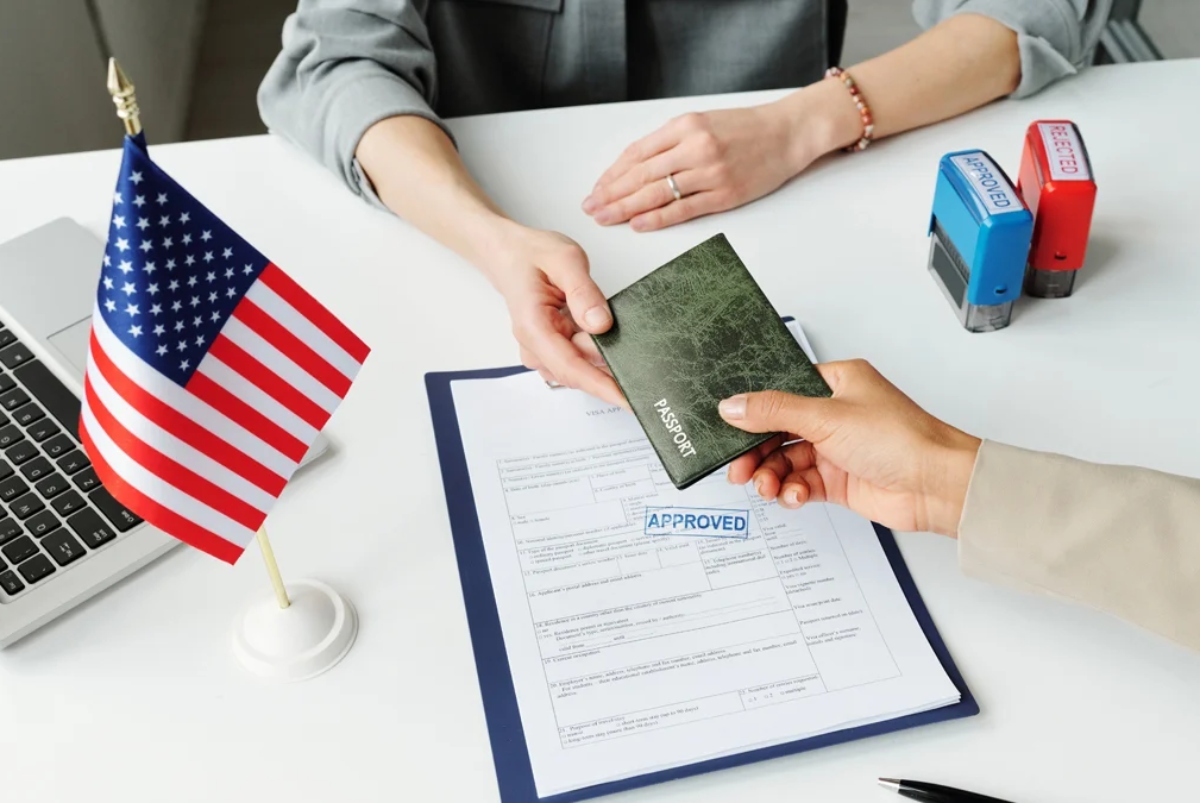
The elimination of OPT, which allows foreign graduates to work for up to three years after college, would affect international students in STEM.
The new high-bid selection system would assign visas to employers offering the most competitive salaries, replacing the lottery that currently randomly selects from hundreds of thousands of applications.
In addition, it limits third-party placements to one year, reducing the use of consulting firms to hire temporary workers.
The Senate will review the bill in committee, where it will face opposition from business groups.
This proposal comes at a time of high demand, with 483,927 applications for 85,000 visas in fiscal year 2025, according to the Department of Homeland Security.
Who would feel the impact of these changes?
The H-1B visa benefits professionals from countries such as India and China, which account for more than 70% of visa holders.
OPT students, about 200,000 annually, would see their post-graduation job options closed, which could deter enrollment in U.S. universities.
Large technology companies, such as Google and Amazon, rely on these visas to fill vacancies in software engineering, where the median salary exceeds $120,000.
Small startups would face higher barriers, as the high minimum wage and high bidding system would favor corporations with robust budgets.
U.S. tech workers could earn at higher wages, but critics fear talent shortage could stifle innovation.
Skilled immigrants, who contribute $158 billion in annual taxes according to the Department of Homeland Security, would see their career paths complicated.
The reform would align with priorities of the Trump administration, which in 2025 emphasizes domestic labor protections.
Groups such as the U.S. Chamber of Commerce are already expressing concern about the impact on global competitiveness.
Debate and future prospects
Republicans like Banks see the H-1B visa as a mechanism exploited by corporations to import cheap labor, citing layoffs at Big Tech while applying for visas.
In 2022, Banks criticized companies reserving lucrative opportunities for foreign workers, calling it “unpatriotic.”
Supporters of the reform argue that it prioritizes Americans, potentially raising wages in a sector with 1.5 million jobs by 2025.
Opponents, including the technology industry, warn that the $150,000 salary would exclude junior roles and affect diversity in innovation.
The high bidding system could concentrate visas in large firms, leaving out entrepreneurs.
The bill enters review in the Senate Judiciary Committee, where previous similar proposals stalled for lack of bipartisan consensus.
With the 2026 midterms approaching, this initiative could galvanize conservative voters concerned about jobs.
The Department of Homeland Security is currently processing applications for FY 2026, and any changes would require congressional approval.
The H-1B visa, created in 1952 and reformed in 1990, remains vital to the economy, attracting talent that generates $1.3 trillion in service exports.
This article was originally published in Nueva News.
Filed under: H-1B visa changes